Why media companies need a more connected operating model
In Episode 11 of Content Circle of Life, Matt Stagg talked with Ayush Chaturvedi, Senior Director of Product Management at Comcast Technology Solutions, and Jesse Fargo, VP of Global Sales and Business Development at Frequency, about how shifting audience behavior, the growth of free ad-supported streaming TV (FAST), and operational complexity are reshaping media strategies.
September 14, 2026
Cora Masson

At-a-glance
What does it mean to turn industry change into customer value? It means building your technology, operations, partnerships, and distribution around the way people actually watch. According to VAB’s 2026 Rising Tides report, Ad-supported streaming now reaches 209.4 million U.S. viewers - about 62% of the population and up 27% since 2023. FAST, ad-supported video on demand (AVOD), subscription video on demand (SVOD), linear, and live tend to be run as separate efforts. Connecting the workflows behind them makes it easier to reach audiences where they already are, earn more from the same content, and cut the complexity that holds up new ideas.

This industry is never short on change. Viewing habits keep shifting and audience expectations keep climbing. Business models are still catching up to a market where the same content has to work across more platforms, packages, and experiences than ever.
The pressure media companies feel comes from the audience more than from technology. Stagg said the industry “isn’t being transformed by technology, it’s being transformed by audience behavior.”
The industry “isn’t being transformed by technology, it’s being transformed by audience behavior.” - Matt Stagg
How does FAST fit into the wider audience journey?
FAST now functions as an entry point into the broader AVOD/SVOD journey rather than a standalone channel strategy. For a lot of content owners, FAST started as a way to get more value out of libraries they already owned. More platforms meant more reach and another line of ad revenue. Fargo said that early playbook is changing as the market matures. Launching the channel is no longer the milestone. The question now is whether FAST can build awareness, hold engagement, and move viewers into AVOD or SVOD.
It also changes how teams define success. A channel that is live and serving impressions is not automatically working. You have to read it inside the full consumer journey, from where viewers discover the content to how they move between free and paid and which programming choices bring them back.
As Fargo put it, media companies need to “stop treating FAST, AVOD, SVOD as separate strategies and start treating them as one connected journey for the audience.”
Media companies need to “stop treating FAST, AVOD, SVOD as separate strategies and start treating them as one connected journey for the audience.” -Jesse Fargo
Where does audience change expose operational gaps?
Audience expectations are not all pulling in the same direction. Plenty of viewers still prefer linear. Others want on-demand access with as little friction as possible. Sports fans bring their own set of expectations around live moments, loyalty, and immediacy. Chaturvedi expects those behaviors to keep coexisting, which leaves content providers supporting all of them at the same time.
That variety creates what Chaturvedi called “deal to distribution complexity.” A licensing deal can come together quickly. The operational work behind it usually does not. Content has to reach each platform reliably, at scale, on time, and in the exact specifications that platform requires. Metadata, artwork, ad formats, quality standards, live capabilities, reporting requirements. All of it can change by destination.
Viewers see none of that. They expect the experience to work wherever they find it, and if the stream fails, the guide confuses them, or the show is hard to find, there is always something else to watch.
How can media companies test and adapt faster?
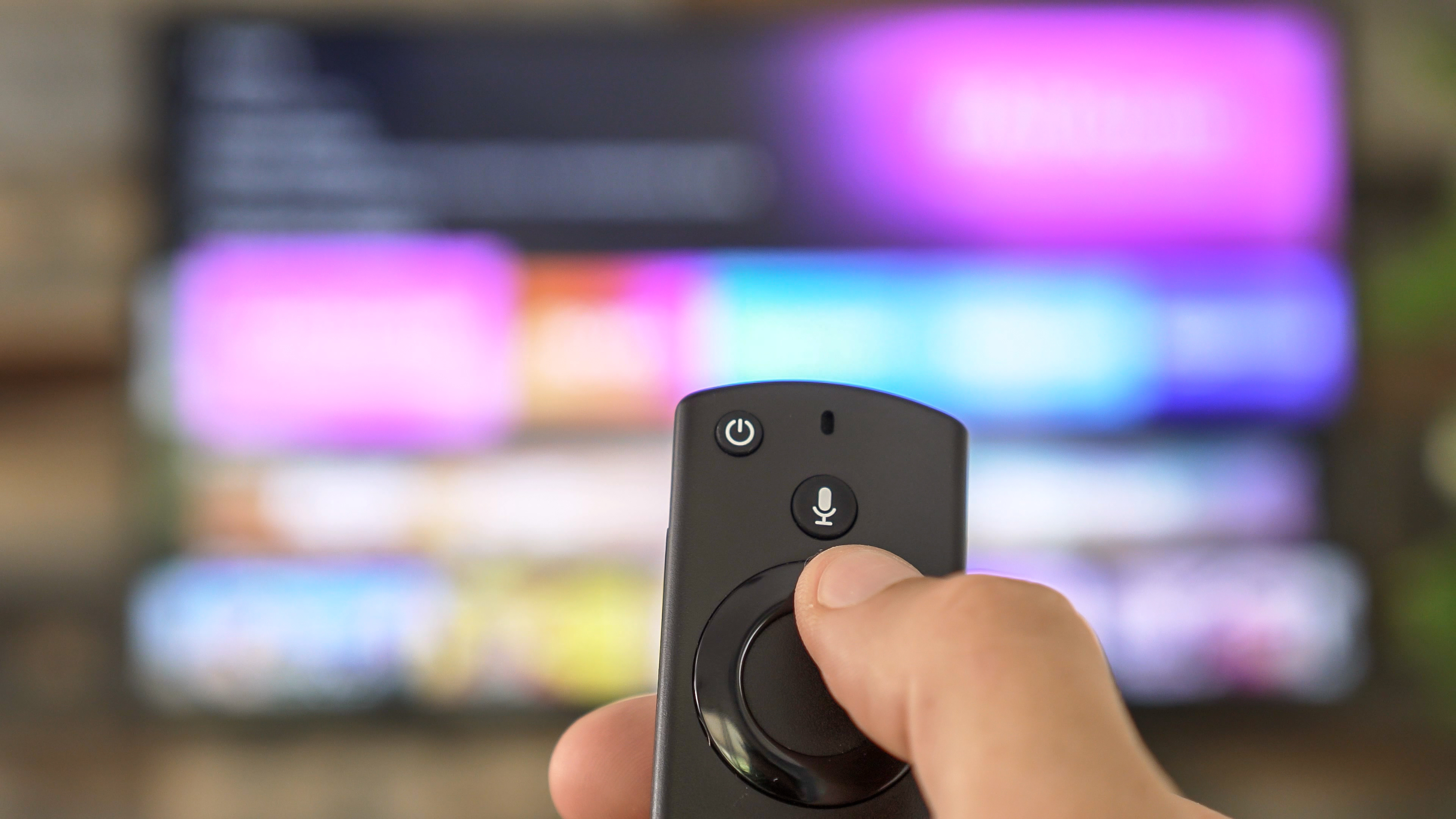
Agility usually gets treated as a generic business goal, so the panel grounded it in what it actually requires. In Chaturvedi’s version, teams need to try a new experience, find out quickly whether it works, and change direction without turning every experiment into a months-long technical project.
Monetization is getting more varied, which raises the stakes. A content owner might want to test a different advertising model, a hybrid ad tier, personalization, a localization workflow, or a lighter ad load. Each one is worth something only if the operational cost of trying it stays low.
Rigid legacy systems are where this breaks down. Most were built for an earlier distribution era, when workflows ran in a straighter line and platform requirements looked more alike. What companies need now is infrastructure that adds speed without adding manual effort, one-off processes, or another disconnected vendor handoff.
How do integrated workflows reduce complexity for customers?
Both speakers landed on integration as the practical way to close the gap between what audiences expect and what current operating models can deliver. Fargo described the value of a connected workflow that handles ingest, metadata normalization, asset standardization, scheduling, and playout together rather than in pieces. Chaturvedi made the same case from the content provider’s side, where multiple supply chains, repeated handoffs, and duplicated work slow down both time to market and monetization.
Integration earns its keep by removing the friction that stops a company from acting on what its audience is telling it. Once performance data, metadata, scheduling, and delivery are connected, teams can make better calls about where content belongs, how a channel should be programmed, and how free viewing can support deeper engagement elsewhere.
Customer value follows from that. The viewer stops seeing the complexity, content lands where it should more reliably, and teams get room to experiment. The audience journey across FAST, AVOD, SVOD, linear, and live becomes easier to support.
What should media companies prioritize next?

Over the next six to 12 months, the panelists argued, media companies should look hard at whether their current operating model gives content the shortest path to audience value. Define what each platform is for. Decide how success gets measured across the whole ecosystem instead of platform by platform. Then build workflows that can scale without a matching increase in manual work.
Reach and monetization also belong in the same conversation. As Chaturvedi said, content providers need to get content “in front of your audience on the platforms they are on” and monetize it there. Distribution alone will not do that. It takes a connected strategy for how content moves, how performance is understood, and what each experience contributes to the wider customer relationship.
Key takeaways for media organizations
- Audience behavior is changing faster than many traditional operating models can handle
- FAST, AVOD, SVOD, linear, and live are connected parts of one audience journey
- Platform-specific requirements create operational complexity after the distribution deal is signed
- Agility depends on testing, measuring, and adapting without piling on manual work
- Integrated workflows can help media companies improve reach, monetization, and customer outcomes
Better alignment matters more than more technology
Success in this next phase of media will come down to alignment rather than the size of a technology stack, with technology, operations, and partnerships all pointed at customer outcomes. In practice that means simplifying the path from content to audience, using data to improve performance, and holding enough flexibility to respond as viewer behavior keeps changing.
In a fragmented media environment, customer value comes from absorbing complexity behind the scenes so audiences move through content experiences with less friction. FAST growth, new monetization models, and changing consumption patterns are all opportunities, but only for companies that can connect the pieces well enough to act on them.