How AI orchestration is changing sports fan engagement
In Episode 5 of The Evolution of Fandom, Kyle Eichman of Comcast Technology Solutions (CTS) spoke with Mihir Walavalkar, co-founder and CEO of fan engagement technology company LiveLike, about why sports organizations need to think beyond content delivery and start building the technology, data, and AI workflows that make modern fan engagement possible.
October 14, 2026
Cora Masson

At-a-glance
What is AI orchestration in sports fan engagement? AI orchestration uses artificial intelligence to connect workflows across content, marketing, data, sponsorship, and fan experiences. Instead of running each touchpoint separately, teams can use AI to coordinate personalized messages, interactive experiences, community moments, and commercial opportunities across the fan journey.
In Episode 5 of The Evolution of Fandom, Kyle Eichman of Comcast Technology Solutions (CTS) spoke with Mihir Walavalkar, co-founder and CEO of fan engagement technology company LiveLike, about why sports organizations need to think beyond content delivery and start building the technology, data, and AI workflows that make modern fan engagement possible.
Sports organizations have been trying to reach fans across more screens, more channels, and more moments for years. But many of those efforts are built on disconnected systems, fragmented data, and teams working in separate lanes.
In this episode, Walavalkar makes the case that the next phase of fan engagement will be shaped less by isolated digital features and more by orchestration: the ability to connect fan data, content, interactivity, personalization, sponsorship, and operational workflows in a way that feels timely, relevant, and scalable.
What are ghost fans?
Ghost fans, also called invisible fans, are people who follow, watch, or engage with a team but never show up in its venue or ticketing data. Eichman comes back to a phrase sports organizations have been using more often: invisible fans, or ghost fans. These are the people who may follow a team, watch the broadcast, engage on social platforms, or buy merchandise, but never appear in a venue database or ticketing report.
Walavalkar agreed that teams have historically built much of their fan strategy around the small percentage of people who attend games. But fandom has become more global, more digital, and less tied to a physical seat. That means the fan who never enters the stadium may actually be one of the most important for a team to connect with.
"Everyone’s not coming to the game. In fact, probably less than 1% to 5%, give or take, depending on the sport and the league and the location, are actually fans that are in the stadium." - Mihir Walavalkar
Why do sports teams need owned fan engagement platforms?
Owned platforms let teams see who their fans are and use that data to personalize what comes next, which third-party platforms rarely allow. Of course, fan interactivity itself isn’t new. Fantasy sports, call-in shows, message boards, text voting, and social media have been part of sports and entertainment for years. What’s changing is what platform that interactivity happens on, and who owns the relationship that comes from it.

Walavalkar argued that much of the older model pushed fans toward third-party platforms. The interaction happened, but the team usually didn’t control the environment or receive a complete picture of the fan. As apps, websites, and mobile experiences have improved, teams have more opportunity to bring interactivity into their own ecosystems.
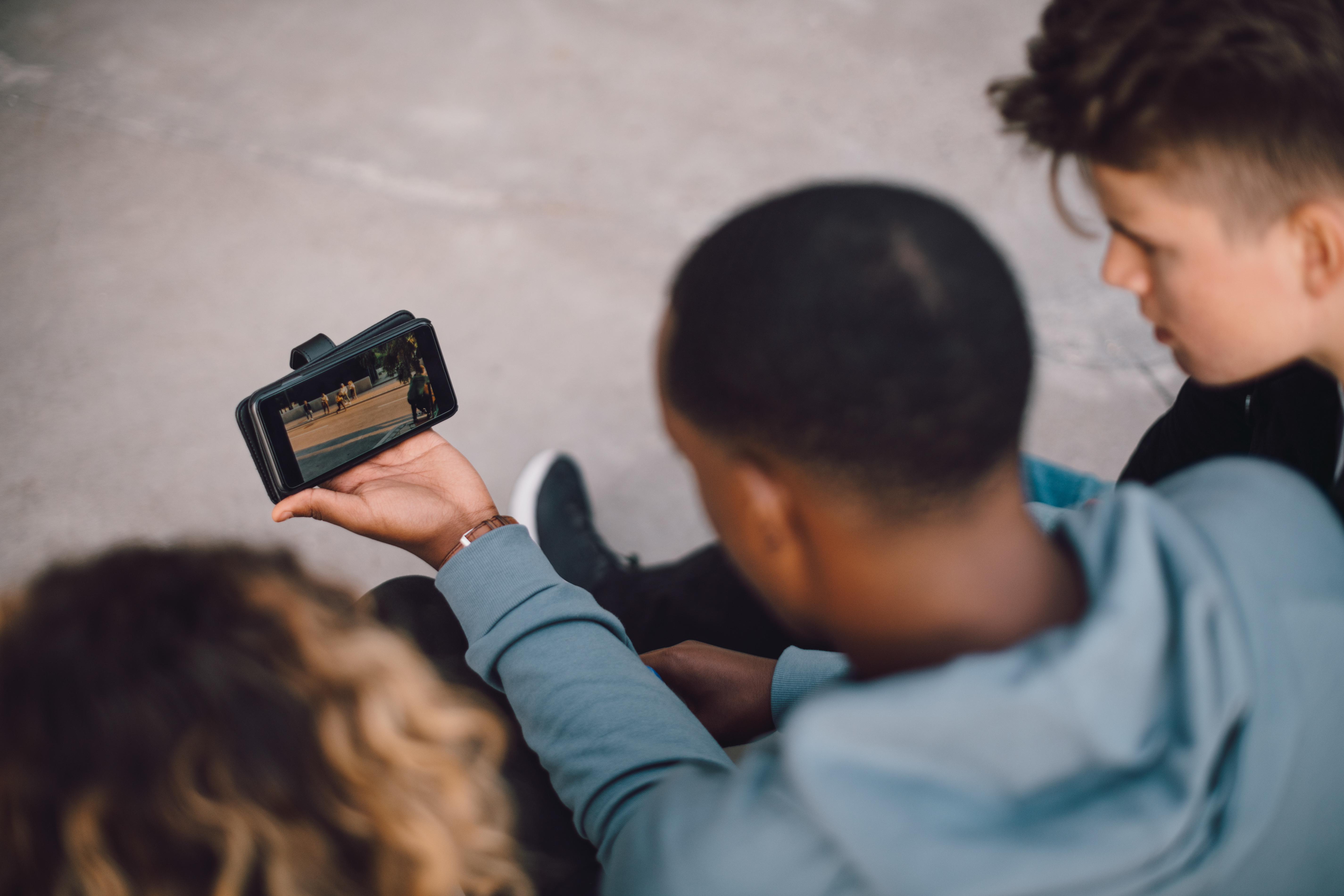
The mobile screen is now where the majority of interactive fan experiences happen, and it’s also the platform best suited for personalization. Polls, predictions, games, community features, rewards, and content recommendations all become more useful when they’re both connected to the organization and tailored to a specific fan.
“As apps and websites and digital touchpoints have gotten better, there is a way for you to engage your audiences on your owned and operated platforms. You just get to know more about who they are, what they care about, what their likes and dislikes are, how they engage, their patterns, which allows you to then personalize those experiences for those fans.” - Mihir Walavalkar
From passive viewing to participatory fandom
The episode also returned to a larger trend running through this podcast series: fandom has moved from passive consumption toward participation. Fans are not just sitting back and watching games, they are reacting, creating, predicting, sharing, comparing, chatting, and expecting the experience to recognize them as individuals.
Walavalkar said many organizations have treated OTT and digital experiences as a way to put broadcast content on a smaller screen. Which is useful, but limited. The second screen can do so much more, like support interactivity, community, personalization, and fan-specific journeys that broadcast alone was never built to deliver.
Future success will depend on more than just adding additional content. Building experiences that respond to what fans are doing, where they’re watching, what they care about, and how they want to be part of the moment is what will push organizations ahead.
How AI changes the fan engagement conversation
AI’s biggest impact on fan engagement may be coordination: one engine running the workflows that separate teams handle today. AI came up throughout the conversation, but not as a tool for writing social posts or generating content. Walavalkar's focus was on coordination.
His example was simple: a team scores. Within seconds, broadcasters, marketers, social teams, fantasy platforms, sponsors, and fan communities all react to the same event. Most organizations still manage those responses through separate teams and systems.
Walavalkar argued that AI can help connect those workflows, making it easier to deliver timely, personalized experiences without adding more manual work.
“Because of AI… one central engine can run all those workflows. Now, that is an efficiency play, but it's also an incremental productivity play. What are the things that you were not able to do before that you can now do because it's centralized?” - Mihir Walavalkar
How can AI change sports sponsorship?
Sponsorship was another theme that emerged from the discussion around AI orchestration. The same systems that support personalization and engagement can also create new opportunities for sponsorship activation.

Walavalkar sees an opportunity for sponsorships to respond to the context of the game and the fans experiencing it. A campaign could change based on the score, location, audience segment, or level of fandom. Each of those interactions gives teams another sponsorable moment beyond traditional ads and brand placements.
That opens a different kind of conversation with sponsors. Instead of attaching a brand to a generic asset, teams can build activations around specific fan interactions and game moments. For leagues and emerging sports properties especially, that could create room for new sponsors who want more flexible, measurable, and context-aware ways into sports.
Are AR and VR overhyped in sports?
Mostly, yes, for now. Walavalkar sees real uses for AR and VR, but says they haven’t yet become something fans come back to regularly. When Eichman asked which fan engagement trend feels most overhyped, Walavalkar pointed to immersive entertainment and immersive streaming. The answer was notable coming from someone whose company started in virtual reality. (LiveLike spent its early years bringing live sports into VR headsets and experimenting with immersive viewing experiences.)
Even so, Walavalkar wasn't ready to write off AR or VR. He pointed to practical uses such as stadium seat previews, retail experiences, and other event-based activations. The challenge, in his view, is that those experiences have remained occasional touchpoints rather than becoming part of how fans regularly engage with sports. Years after the initial excitement, immersive experiences still feel more like special features than everyday habits for most fans.
“I don't think the form factors [for immersive experiences] have evolved fast enough to support stickiness and repeat consumption and really anything to go beyond the initial novelty factor.” - Mihir Walavalkar
Why sports teams need a modern tech stack
For teams deciding where to invest, Walavalkar came back to the foundation: modernize the technology stack. AI orchestration, like most fan experience technology, depends on connected systems. Data warehouses, marketing platforms, mobile apps, broadcast workflows, identity systems, and customer data all need to work together.
It's not the most exciting investment, but it affects nearly everything that comes after. If a team can't recognize that the same fan watched content, bought a ticket, visited the website, joined a rewards program, and purchased merchandise, personalization quickly reaches its limits. Disconnected systems also make it harder to automate and coordinate fan experiences.
Identity and authentication were a big part of that discussion. Walavalkar noted that some organizations still lack the basic infrastructure needed to recognize and reach fans consistently across channels. Without it, loyalty programs, memberships, interactive experiences, and automated workflows become much harder to manage.
Key takeaways for sports organizations
- Invisible fans matter because most fandom now happens outside the venue
- Fan interactivity is more valuable when it happens on owned platforms
- AI can help connect workflows across content, marketing, sponsorship, and operations
- Contextual sponsorship depends on better data, segmentation, and orchestration
- Immersive experiences may be useful activations, but they are not yet repeatable engagement models
- Modern tech stacks, identity, and clean fan data are the foundation for future growth
The future of fandom depends on connected operations
One theme came up repeatedly throughout the conversation: technology matters less for its own sake than for how well it connects everything else. Teams can create great content, build strong sponsorship programs, and attract loyal fans, but those efforts fall flat when the underlying systems don't work together.
Walavalkar doesn’t see AI as a magic wand for better fan engagement, but as a tool to bring together data and workflows, and streamline and strengthen the entire system. With clean data, connected systems, and a reliable way to recognize fans across different touchpoints, teams can build a more complete picture of their audience and create experiences that feel relevant instead of generic.
Organizations looking to create more connected fan experiences are increasingly focused on the same challenge: bringing data, technology, and engagement strategies together in a way that supports fans across every interaction.
Listen to the full conversation with Mihir Walavalkar in Episode 5 of The Evolution of Fandom, and subscribe so you don’t miss the next episode. To see how CTS helps sports organizations connect fan data, content, and experiences, explore Comcast Sports360.