Why the best fan experience technology starts with infrastructure
In Episode 6 of The Evolution of Fandom, host Kyle Eichman, sports market director at Comcast Technology Solutions (CTS), talks with Jenna Kurath, executive director of sports technology at Comcast Business. They cover how new sports technology moves from pilot to live deployment, why the network under a venue decides whether fan experiences work, and what to build into an arena that has to last for decades.
November 23, 2026
Cora Masson

At a glance
What makes fan experience technology work? Fan experience technology works when the infrastructure underneath it can keep up. In-venue streaming, mobile ordering, and personalization all depend on low-latency, high-capacity networks across the venue and the district around it, plus data that's been turned into useful signals. When the network falls short, fans notice right away.
Fans see the app, the video board, and their seat. They rarely think about the fiber, wireless access points, and data platforms that make those things work. Eichman and Kurath covered a lot of ground in this episode, from how Comcast tests startups in live sports to why language tools and data are changing who can be a fan. They also got into what arena developers should decide before construction starts.
Why does infrastructure matter for fan experience technology?
In Episode 6 of The Evolution of Fandom, host Kyle Eichman, sports market director at Comcast Technology Solutions (CTS), talks with Jenna Kurath, executive director of sports technology at Comcast Business. They cover how new sports technology moves from pilot to live deployment, why the network under a venue decides whether fan experiences work, and what to build into an arena that has to last for decades.
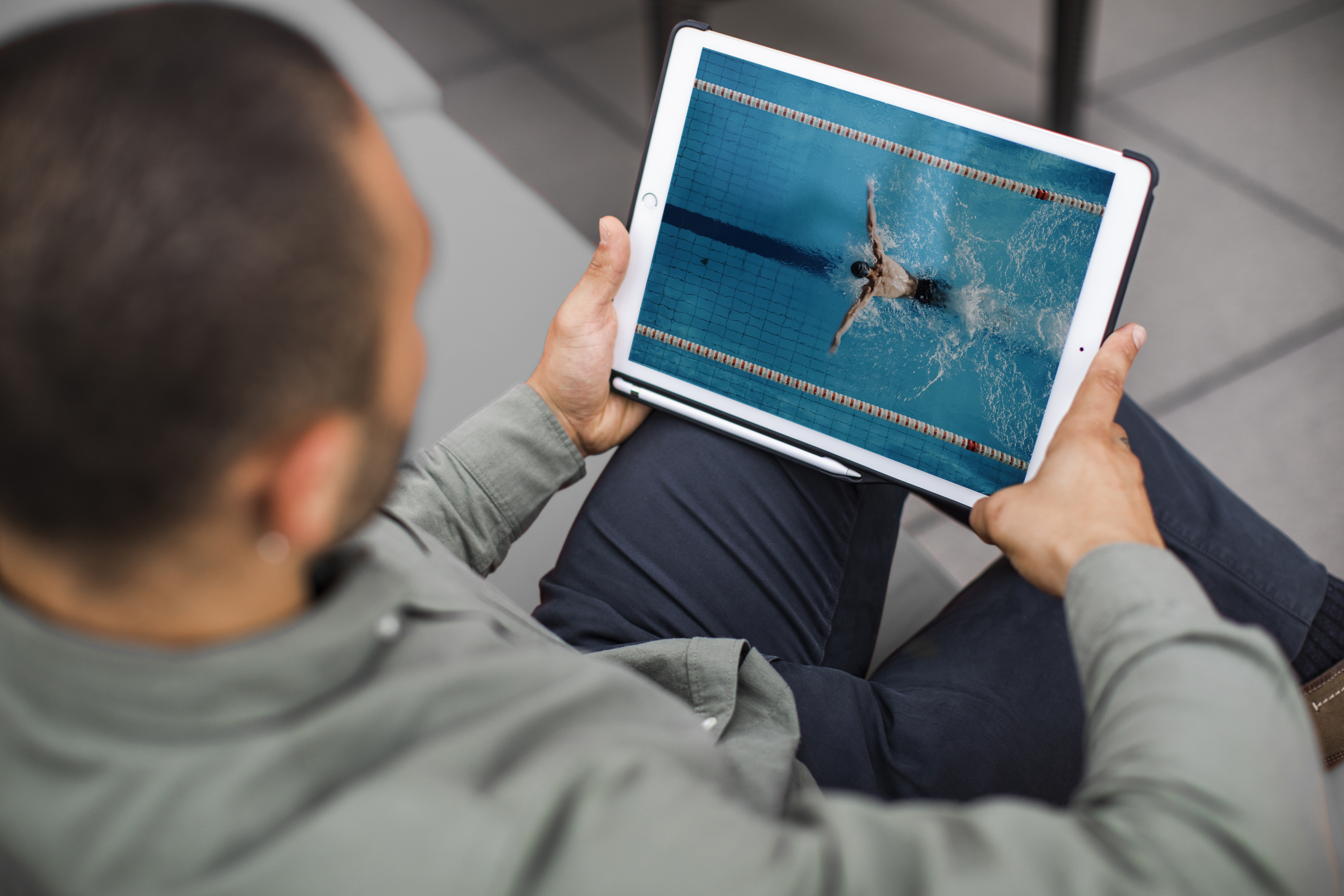
Every fan-facing feature, from a replay on a phone to food brought to a seat, runs on the network, so the network sets the ceiling for the whole experience. Comcast Business designs and builds high-capacity networks for stadiums, mixed-use entertainment districts, and universities. Kurath describes the fan experience as a chain that starts with the athlete. The performance creates the content, data and emotion that bring people to a seat or a sofa, and every step after that, from parking to the concession line, adds to the day or takes away from it.
Eichman, who ran technology for the Sacramento Kings before joining CTS, reminded listeners that sports is a business whose core product can't be controlled. Kurath shared how a colleague at Comcast Spectacor sums it up: when the team wins, "the hot dogs were hot, the parking wasn't too bad, and everything worked out."
The audience also reaches well past the building. Eichman recalled an executive at one of the world's largest soccer clubs who said the 105,000 fans in the stadium weren't his main concern. The harder question was how to reach the millions of people who will never set foot in it.
Two startups that show what the network has to carry
Two companies from the Comcast NBCUniversal SportsTech program show how much depends on the network. AirCast, which has supported the Australian Open and Wimbledon, streams alternate camera angles and replays to phones in the stands. Kurath noted that a replay only works if it reaches the fan's phone almost as the play happens, so the venue's Wi-Fi and access points have to keep pace. Talking about pushing content to 17,000 people in an arena, Eichman put it plainly: if "your infrastructure isn't there, you're dead in the water."
Rivalry Tech started with a missed moment. Its co-founder had gone to get a hot dog at an Astros game when a ball landed in his family's empty seats. The company now lets fans order from their phone or an ADA-compliant kiosk and have food brought to them. It also connects to kitchen management and supplies, so operators can see what fans order and when to plan purchasing and cut food spoilage.
"I'm solving this problem so that any fan who gets up from their seat never misses that moment." Rivalry Tech's co-founder, as Jenna Kurath recalled it
How does a sports technology pilot earn a full rollout?
A pilot earns a wider rollout when it solves a real business problem and holds up in front of a live audience. Kurath ran the SportsTech program, which started from a business problem and then looked for the technology and team to solve it. "Innovation is a team sport," she said. Partners including the PGA Tour, the Premier League, NASCAR, Notre Dame, and Olympic sports organizations gave startups a range of live environments to prove themselves in. The startups that made it into the business had shown they could cut costs, improve operations, or bring in new revenue.
Athlete performance technology faces the highest bar
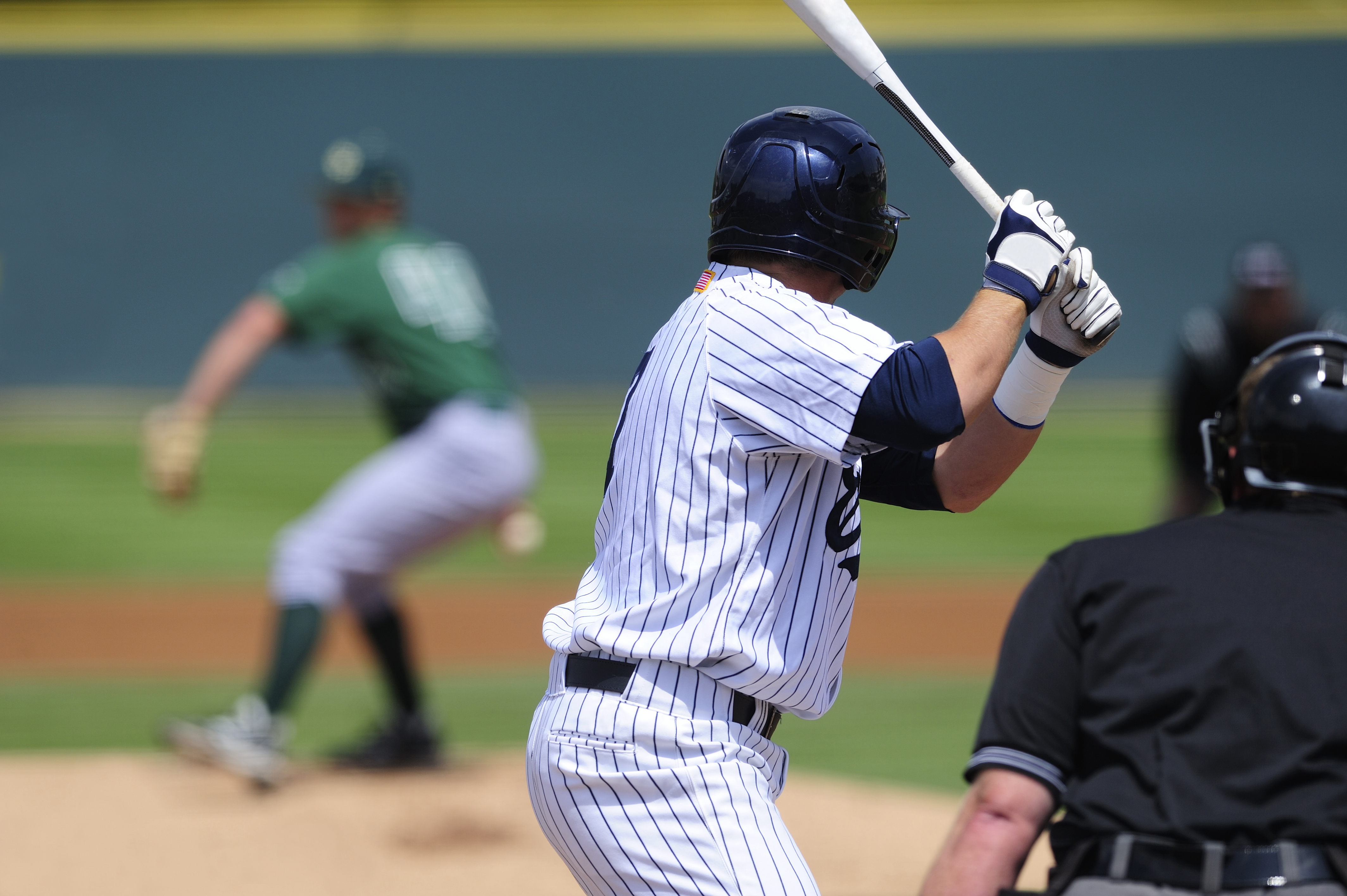
Athlete performance was the toughest category. It drew 1,600 applications, which the program narrowed to 50 and then to 10. Many startups wanted credibility with elite athletes on the way to a consumer product, but elite sport demands a much higher level of accuracy. Kurath said some of it was the same type of technology the military was looking at.
Two stood out. Orreco, which the Philadelphia Flyers tested, combines sleep, blood markers, and travel effects with video analysis of how players move. In Premier League testing, its model spotted an unusual movement pattern between two and 12 minutes before an injury occurred. For a coach, that window can be the difference between losing a star for the season and keeping a playoff run alive. Plantiga uses smart insoles to track biomechanics such as asymmetry, which suits leagues that restrict wearables worn on the skin.
Language tools are widening the fan base
Some companies in the program didn't look like sports technology at first. CAMB.AI can take a live production in one language and create more than 100 additional language versions. LetzChat adapts web pages to the language a device is set to use, and Comcast uses it on its Xfinity platform. For Eichman, this fits a market where teams and leagues increasingly run their own streaming and distribution after years of licensing their content.
"If you truly want to understand your fans and get closer to them, you speak to them in their language.” – Jenna Kurath
Why are sports and entertainment districts a year-round revenue opportunity?
The shops, restaurants, hotels, and housing around a venue earn money every day of the year, and they run on the same network as the arena. Kurath sees private equity investors, many with real estate backgrounds, increasingly treating the district around a new venue as the main prize. The team fills the building on game days, but the businesses around it run all year. She called it "a 365-day-a-year revenue opportunity."
Eichman saw the same logic in Sacramento, where Golden 1 Center opened alongside about 1.5 million square feet of retail and a hotel, all run through one centralized app. His formula had two parts: top-tier infrastructure and data gathered in one place.
Turning fan data into signals
Too much data is where many organizations get stuck. Eichman said sponsorship agreements sometimes decide which tools each department uses, whether or not those tools work together, which leaves teams with disconnected technology. As Kurath put it, "It's not a data collection problem. It's truly a signal problem." The goal is to know what deserves attention and why, then combine sources so each fan can be served the way they prefer, while collecting the right information and anonymizing it properly.
Preferences also differ by generation. A longtime season ticket holder and a kid drawn in by a home-soil World Cup want different things, and younger viewers are less likely to sit through a full three-hour broadcast. Eichman suggested that performance data, shared carefully, could become storytelling in its own right. He compared it to the VO2 max and average watts cycling fans see after a race stage, numbers that show what elite effort looks like.
How should new arenas plan for technology that doesn't exist yet?
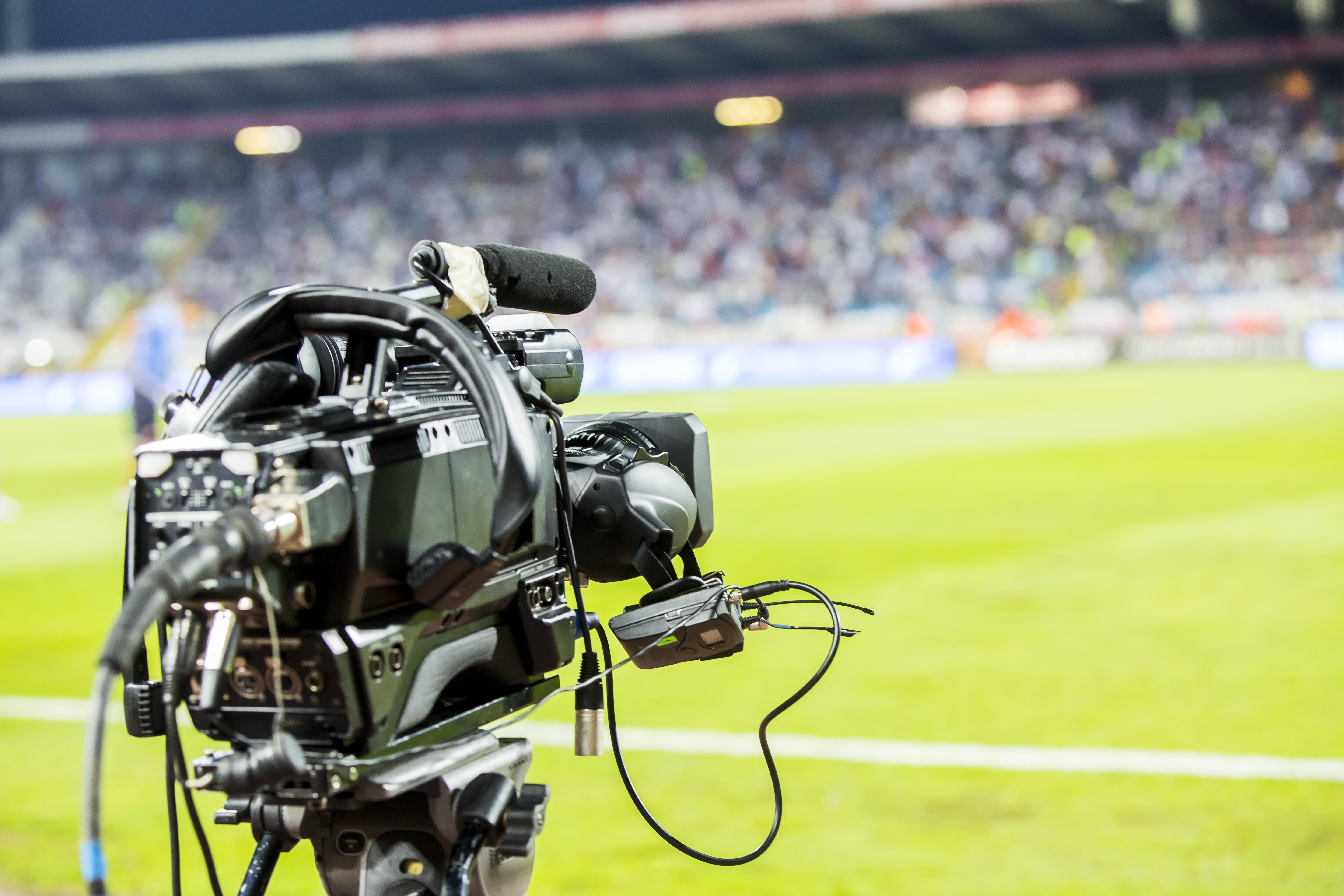
Build in more network capacity than today's plans call for while construction is still underway, because adding it after opening costs far more. The planned arena in South Philadelphia, a joint venture between Comcast Spectacor and Harris Blitzer Sports & Entertainment, puts these questions in sharp focus. It will be home to the 76ers, the Flyers, and a WNBA team, and will host concerts. Kurath wants fans to experience one building, with ticketing, food and merchandise that work together instead of feeling stitched together.
Decisions made today will shape the building for decades, and nobody can say exactly how AI will change facilities management, loyalty programs or fan engagement. Kurath's advice to developers: "when the ground is open, that's when you lay the big veins." Eichman said Sacramento took the same approach and installed capacity meant for needs 15 years out. When people asked why so much was going in, the answer was that tearing out and replacing infrastructure after opening costs far more than doing it once.
Looking ahead, Kurath described an arena that recognizes who is arriving. Wayfinding could pick a fan up at their parking spot and give them a personal 3D map to their seat. Eichman closed with a filter from Ryan Montoya, his former colleague and CTO of the Sacramento Kings: "If it's not seamless, frictionless, and intuitive, we shouldn't do it."
Key takeaways for teams, leagues and venue developers
- Plan for the fans outside the building from the start, not as an afterthought
- Judge new technology on whether it holds up live and delivers savings, efficiency, or revenue
- Build a strong network first. Apps, alternate views, and personalization all depend on it
- Focus on turning data into signals, and don't let sponsorship deals dictate a fragmented technology stack
- Plan for the district around the venue, which can earn money every day of the year
- Install more capacity than today's needs require, and plan for privacy from the start
You're only live once
Eichman admitted that fiber and Wi-Fi speeds are hard to get excited about, yet every feature discussed in the episode depends on them. He pointed to a line often repeated at CTS, "you're only live once," as a reminder that live moments don't allow do-overs.
Kurath described how the two organizations fit together. Comcast Business builds the physical layer, and CTS builds the intelligence layer on top: the software and data capabilities that turn connectivity into fan experiences. Together, they aim to bring connected experiences to venues and districts in the US and abroad.
Listen to the full conversation